1988 Honda Xr600r
1988 HONDA XR600R
CYCLE WORLD TEST
The non-racer’s racebike
IF YOU’RE A HONDA XR600R LOVER, YOU PROBABLY fall into one of three groups: 1) You’re a playrider; 2) you’re a racer; or 3) you’re a combination of the two. Honda is well aware of that, and doesn’t really care which one you are. That’s because the latest XR600R is one of a dying breed of motorcycles that can do it all.
Building one bike to satisfy everyone, though, is a tough job. A serious racebike would cost a lot more to build than a playbike; and that would lower the number of bikes sold to playriders, by far the largest group.
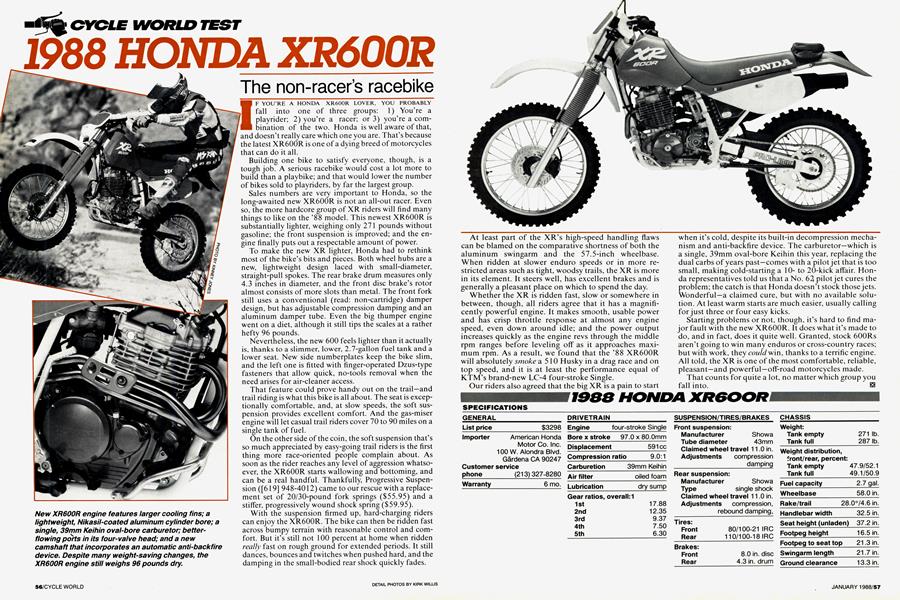
Sales numbers are very important to Honda, so the long-awaited new XR600R is not an all-out racer. Even so, the more hardcore group of XR riders will find many things to like on the ’88 model. This newest XR600R is substantially lighter, weighing only 271 pounds without gasoline; the front suspension is improved; and the engine finally puts out a respectable amount of power.
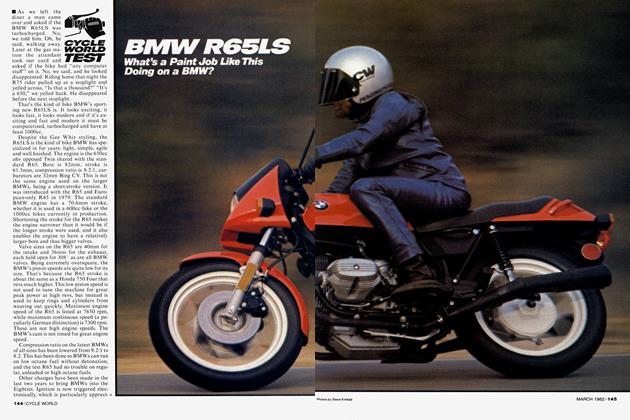
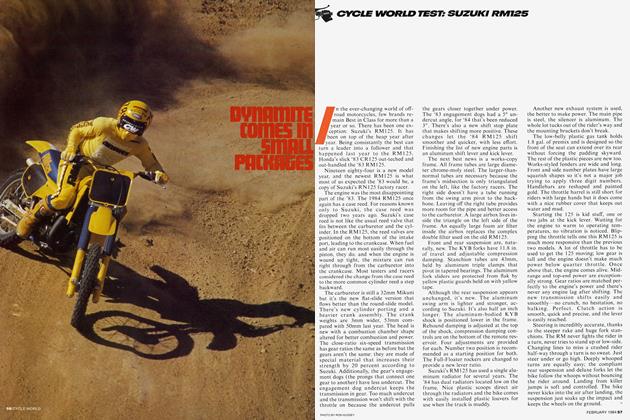
To make the new XR lighter, Honda had to rethink most of the bike’s bits and pieces. Both wheel hubs are a new, lightweight design laced with small-diameter, straight-pull spokes. The rear brake drum measures only 4.3 inches in diameter, and the front disc brake’s rotor almost consists of more slots than metal. The front fork still uses a conventional (read: non-cartridge) damper design, but has adjustable compression damping and an aluminum damper tube. Even the big thumper engine went on a diet, although it still tips the scales at a rather hefty 96 pounds.
Nevertheless, the new 600 feels lighter than it actually is, thanks to a slimmer, lower, 2.7-gallon fuel tank and a lower seat. New side numberplates keep the bike slim, and the left one is fitted with finger-operated Dzus-type fasteners that allow quick, no-tools removal when the need arises for air-cleaner access.
That feature could prove handy out on the trail—and trail riding is what this bike is all about. The seat is exceptionally comfortable, and, at slow speeds, the soft suspension provides excellent comfort. And the gas-miser engine will let casual trail riders cover 70 to 90 miles on a single tank of fuel.
On the other side of the coin, the soft suspension that’s so much appreciated by easy-going trail riders is the first thing more race-oriented people complain about. As soon as the rider reaches any level of aggression whatsoever, the XR600R starts wallowing and bottoming, and can be a real handful. Thankfully, Progressive Suspension ([619] 948-4012) came to our rescue with a replacement set of 20/30-pound fork springs ($55.95) and a stiffer, progressively wound shock spring ($59.95).
With the suspension firmed up, hard-charging riders can enjoy the XR600R. The bike can then be ridden fast across bumpy terrain with reasonable control and comfort. But it’s still not 100 percent at home when ridden really fast on rough ground for extended periods. It still dances, bounces and twitches when pushed hard, and the damping in the small-bodied rear shock quickly fades.
At least part of the XR’s high-speed handling flaws can be blamed on the comparative shortness of both the aluminum swingarm and the 57.5-inch wheelbase. When ridden at slower enduro speeds or in more restricted areas such as tight, woodsy trails, the XR is more in its element. It steers well, has excellent brakes and is generally a pleasant place on which to spend the day.
Whether the XR is ridden fast, slow or somewhere in between, though, all riders agree that it has a magnificently powerful engine. It makes smooth, usable power and has crisp throttle response at almost any engine speed, even down around idle; and the power output increases quickly as the engine revs through the middle rpm ranges before leveling off as it approaches maximum rpm. As a result, we found that the ’88 XR600R will absolutely smoke a 510 Husky in a drag race and on top speed, and it is at least the performance equal of KTM’s brand-new LC-4 four-stroke Single.
Our riders also agreed that the big XR is a pain to start when it’s cold, despite its built-in decompression mechanism and anti-backfire device. The carburetor—which is a single, 39mm oval-bore Keihin this year, replacing the dual carbs of years past—comes with a pilot jet that is too small, making cold-starting a 10to 20-kick affair. Honda representatives told us that a No. 62 pilot jet cures the problem; the catch is that Honda doesn’t stock those jets. Wonderful—a claimed cure, but with no available solution. At least warm starts are much easier, usually calling for just three or four easy kicks.
Starting problems or not, though, it’s hard to find major fault with the new XR600R. It does what it’s made to do, and in fact, does it quite well. Granted, stock 600Rs aren’t going to win many enduros or cross-country races; but with work, they could win, thanks to a terrific engine. All told, the XR is one of the most comfortable, reliable, pleasant—and powerful—ofif-road motorcycles made.
That counts for quite a lot, no matter which group you fall into. E3
1988 HONDA XR600R
$3298